
While the latest court decision to derail the proposed Alberta secession referendum was welcomed, unfortunately it has taken the conversation in the wrong direction.
Alberta's failure to consult with Treaty First Nations was one of three reasons the court gave for stopping the separatist referendum process.
The other two reasons were that the Chief Electoral Officer had rejected the same question in December and that the Chief Electoral Officer had failed to consider an earlier court decision that the referendum question is unconstitutional.
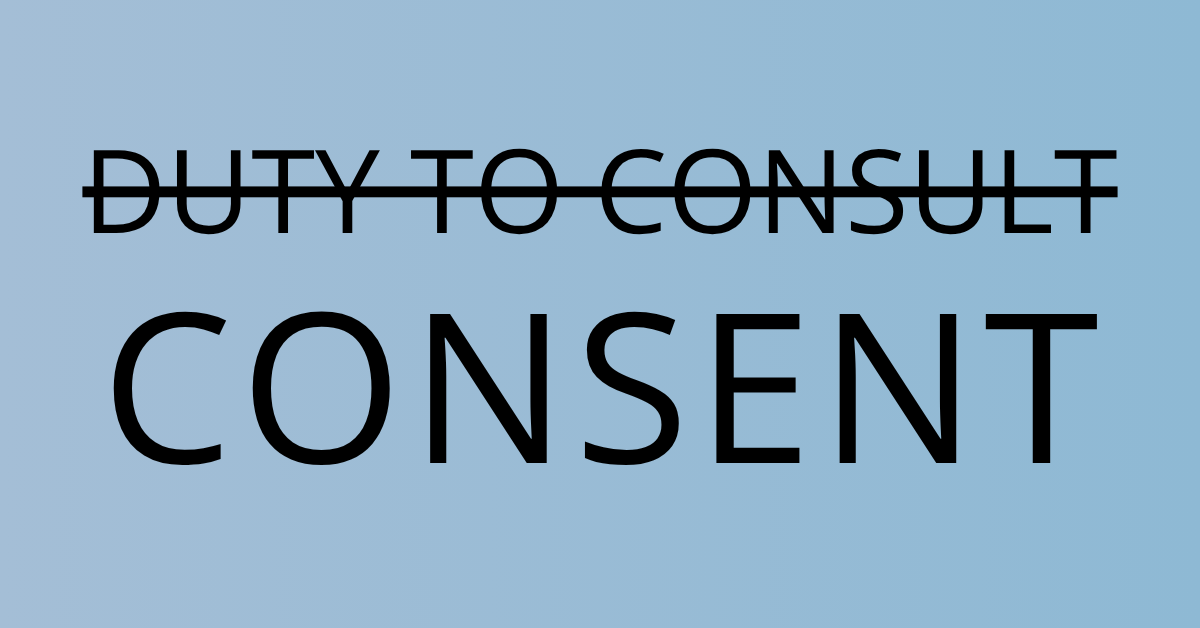
Since the most recent court decision, the focus in Alberta and nationally has turned to the need to consult Treaty First Nations before proceeding with a referendum on Albertan independence. This conversation is misguided. There’s a more fundamental requirement for any referendum question on Alberta separating from Canada.
As Justice Feasby decided in December, Alberta’s existence and legitimacy is dependent on treaties made between the Crown and First Nations. Alberta’s secession would terminate the treaties. Alberta does not have the power to cancel the treaties, nor does it have the right to vote to unilaterally leave Canada.
The idea that Alberta can unilaterally secede from Canada is as absurd as suggesting that a child has the power to annul their parents’ marriage.
Instead of focusing on the duty to consult, Alberta and all of Canada needs to wake up to the reality that Alberta cannot secede from Canada without Treaty First Nation consent.
Dr. Bruce McIvor, lawyer and historian, is senior partner at First Peoples Law LLP. He is also an Adjunct Professor at the University of British Columbia’s Allard School of Law where he teaches the constitutional law of Aboriginal and Treaty rights. He is the author of two books on Indigenous rights: Indigenous Rights in One Minute: What You Need to Know to Talk Reconciliation (2025) and Standoff: Why Reconciliation Fails Indigenous People and How to Fix It (2021). He is a member of the Manitoba Métis Federation.
First Peoples Law is a law firm dedicated to defending and advancing the rights of Indigenous Peoples in Canada. We work closely with First Nations to defend their Aboriginal title, rights and Treaty rights, uphold their Indigenous laws and governance and ensure economic prosperity for their members.
Sign up for our First Peoples Law Report for your latest news on Indigenous rights