
Last month, the Manitoba Court of King’s Bench issued a groundbreaking decision in Chief Heidi Cook et al. v. The Government of Manitoba et al.
The Court held that First Nations have a constitutionally protected right to self-government in the area of child and family services, and that Canada’s and Manitoba’s management of child welfare and child protection in Manitoba unjustifiably infringed that right.
The decision is a victory for Manitoba First Nations who have long fought to raise their children in their culture and community in accordance with their inherent laws and traditions. It also builds on other, recent court decisions which set the stage for a new approach to the recognition and protection of Aboriginal rights under the Canadian Constitution.
What happened
The overrepresentation of Indigenous children in care is a source of national shame. In Manitoba, the statistics are particularly bleak, with Indigenous children comprising over 90% of children in care.
The present-day harms to Indigenous children and families involved in the child welfare system is directly connected to the legacy of Canada’s residential school system and the Sixties Scoop. It is no accident that the first five Calls to Action of the Truth and Reconciliation Commission are specifically focused on child and family services, or that the Final Report of the National Inquiry into Missing and Murdered Indigenous Women and Girls describes today’s child welfare system as an ongoing source of assimilation and colonization.
Chief Heidi Cook of Misipawistik Cree Nation, Chief David Monias of Pimicikamak Cree Nation, Chief Sheldon Kent of Black River First Nation, and the Assembly of Manitoba Chiefs brought a proposed class action against Canada and Manitoba.
The action sought to address the devastating impacts of the child welfare system on First Nations children and families, including through the payment of financial compensation for Canada’s and Manitoba’s involvement in the funding, regulation, and provision of child welfare and family services in Manitoba.
What the Court said
On May 12, 2026, the Court held that Manitoba First Nations have a constitutionally protected right to self-government over child and family services, and that Canada and Manitoba breached that right by managing the child welfare system in a way that significantly impacts First Nations’ ability to protect their children and safeguard their cultures and communities.
In reaching its decision, the Court affirmed that First Nations in Manitoba have always had a distinctive approach to childcare which is rooted in their own customs and traditions, and that their jurisdiction to care for their children and families in accordance with their inherent laws was never surrendered or extinguished as a consequence of colonization.
The Court concluded that First Nations have a right which is recognized and protected under s.35 of the Constitution Act, 1982 to self-government in the area of child and family services, including a right to “raise their children in their culture and community, with a connection to their land, and immersed in their languages and spiritual traditions.”
The Court went on to find that Canada’s and Manitoba’s operation of child welfare services in Manitoba had directly contributed to the severance of First Nations children from their families and communities, resulting in collective, intergenerational impacts on First Nations’ language, culture, spirituality, and identity.
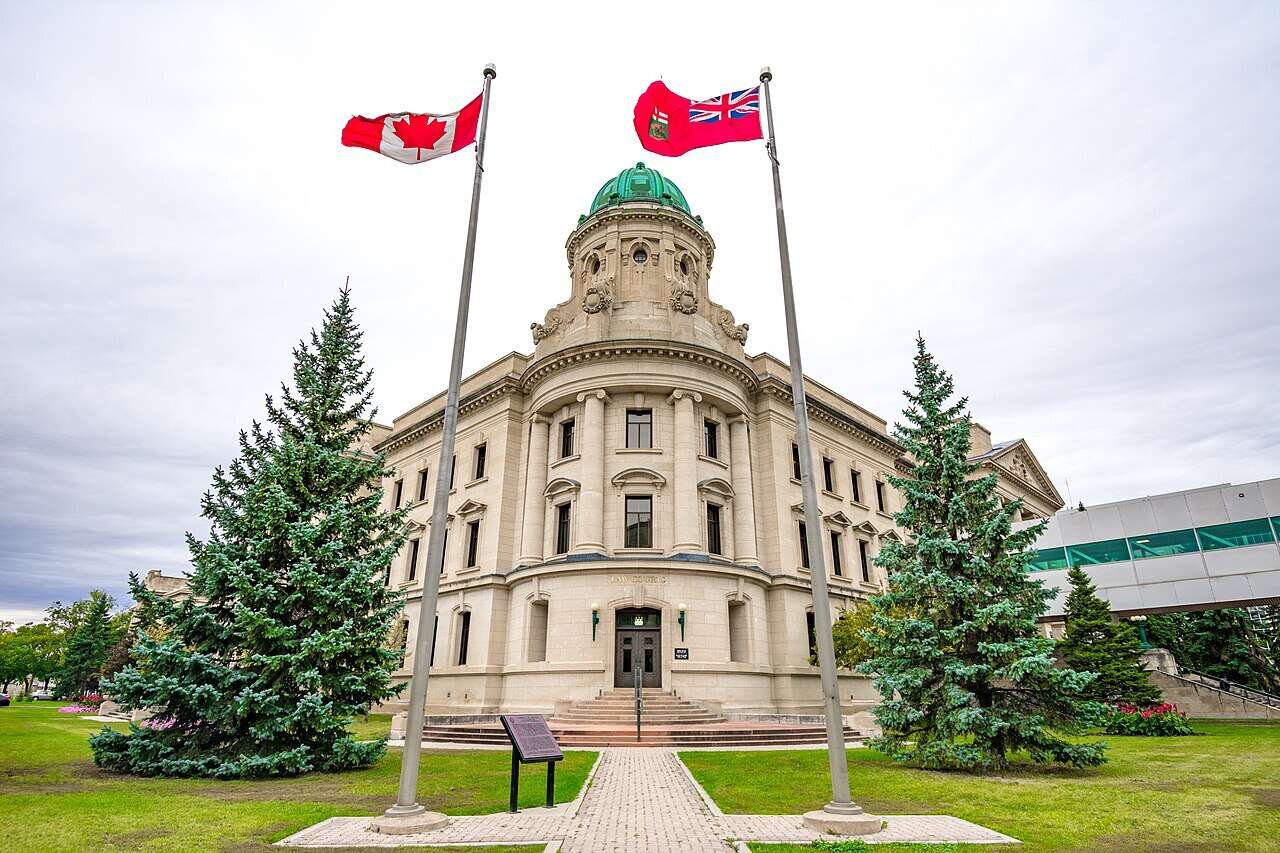
Photo credit: jessloso (License)

Why it's important
The decision is emblematic of a growing trend in courts to move away from a strict application of the legal test for establishing an Aboriginal right under Canadian law.
The test, which was set out by the Supreme Court of Canada in the historic 1996 decision in R v Van der Peet, has long been criticized as promoting an ethnocentric approach to Aboriginal rights which imposes a high evidentiary burden on First Nations, disregards Indigenous peoples’ own legal orders and fails to take into account the dynamic and evolving nature of First Nations’ cultures and practices.
In recent years, however, courts have been increasingly willing to move away from the Van der Peet test in favour of a new, more flexible approach to defining Aboriginal rights centred on Indigenous peoples’ own laws and governance practices.
In Cook, the Court expressly acknowledged the limitations of the Van der Peet framework in the context of claims to ‘generic’ rights which are held by all Indigenous peoples, including the right to self-government. The Court further found the question of whether to recognize an Aboriginal right to self-government under the Constitution Act, 1982 should be interpreted consistent with principles in international law, including the United Nations Declaration on the Rights of Indigenous Peoples.
Ultimately, the Court concluded that the law had evolved such that it was unnecessary to undertake a strict application of the Van der Peet test. Instead, the Court found that the plaintiffs had established a right to self-government in the area of child and family services on the basis the right was directly connected to the First Nations’ cultural survival, had not been extinguished, and was supported by UNDRIP principles.
Looking ahead
The Court’s decision in Cook is a vindication for First Nations in Manitoba who have spent decades advocating for meaningful changes to child and family services. It could also pave the way for transformative change to the child welfare system in Manitoba rooted in the recognition of First Nations’ inherent right to make decisions about their children.
The decision is also the latest example of courts’ growing willingness to recognize the need for a new approach to the recognition and protection of Aboriginal rights which aligns with Indigenous law-making authority, Canada’s commitment to UNDRIP, and the goal of reconciliation.
Kate Gunn is partner at First Peoples Law LLP. Kate completed her Master of Law at the University of British Columbia. Kate is co-author of Indigenous Peoples and the Law in Canada: Cases and Commentary.
Contact Kate and connect with her on LinkedIn.
First Peoples Law is a law firm dedicated to defending and advancing the rights of Indigenous Peoples in Canada. We work closely with First Nations to defend their Aboriginal title, rights and Treaty rights, uphold their Indigenous laws and governance and ensure economic prosperity for their members.
Sign up for our First Peoples Law Report for your latest news on Indigenous rights