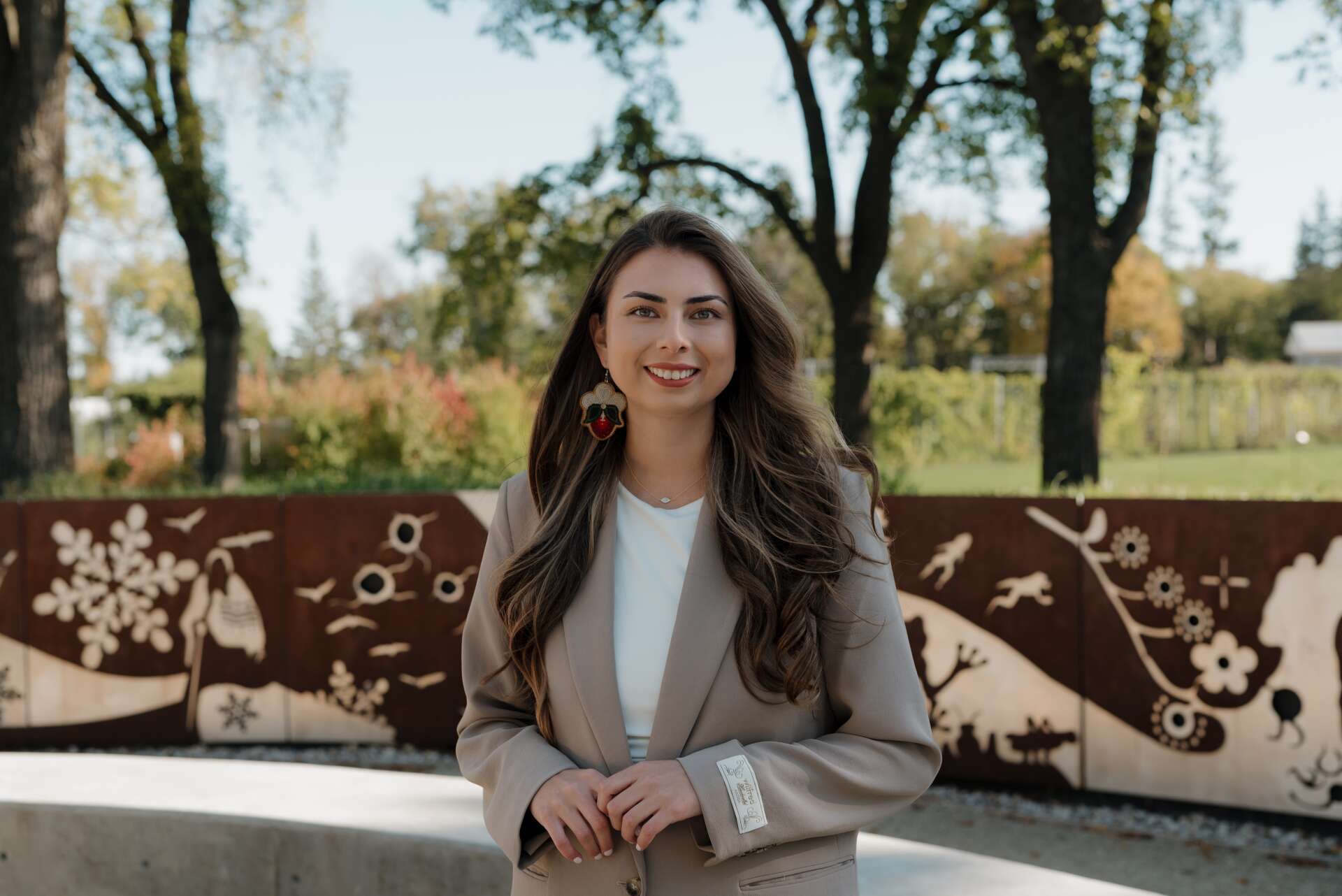
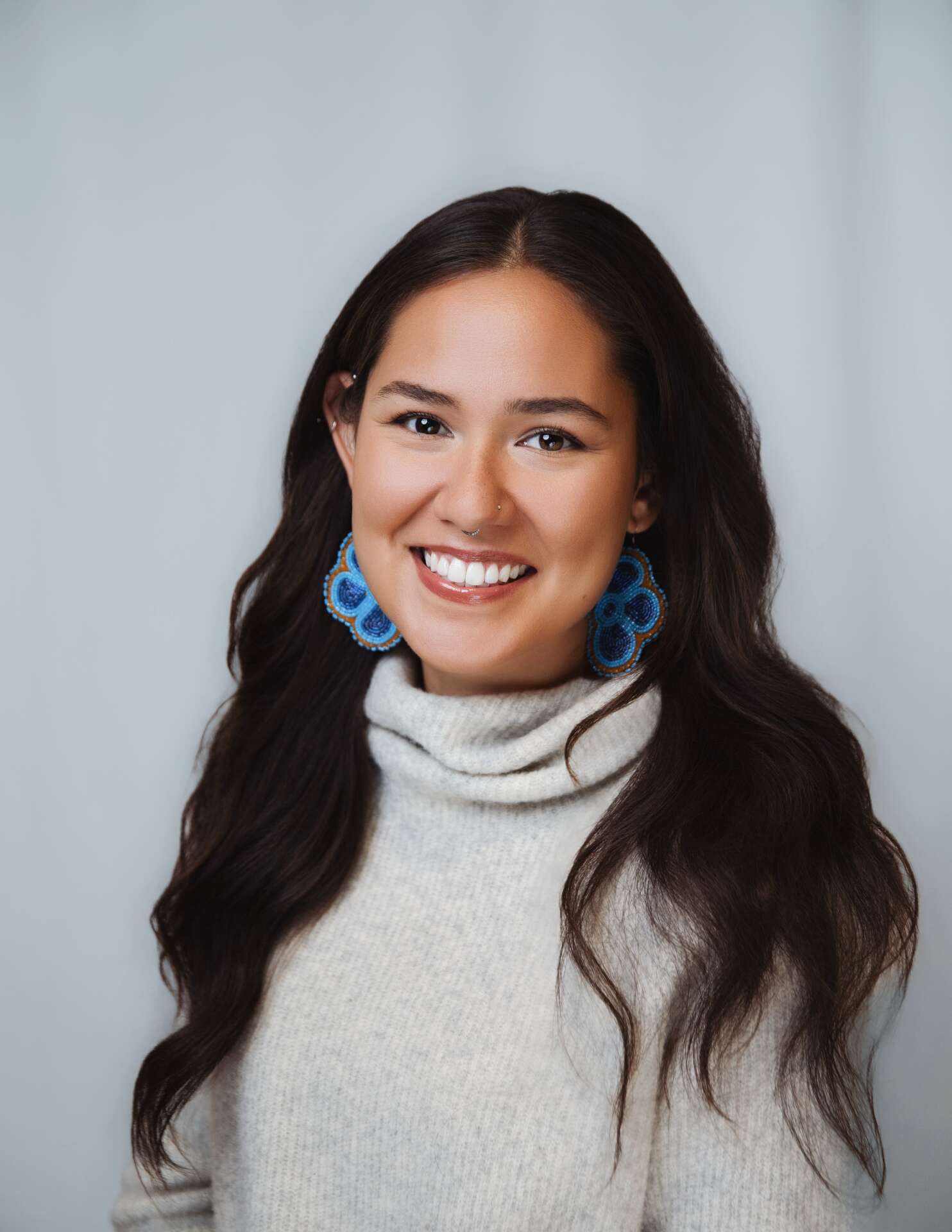
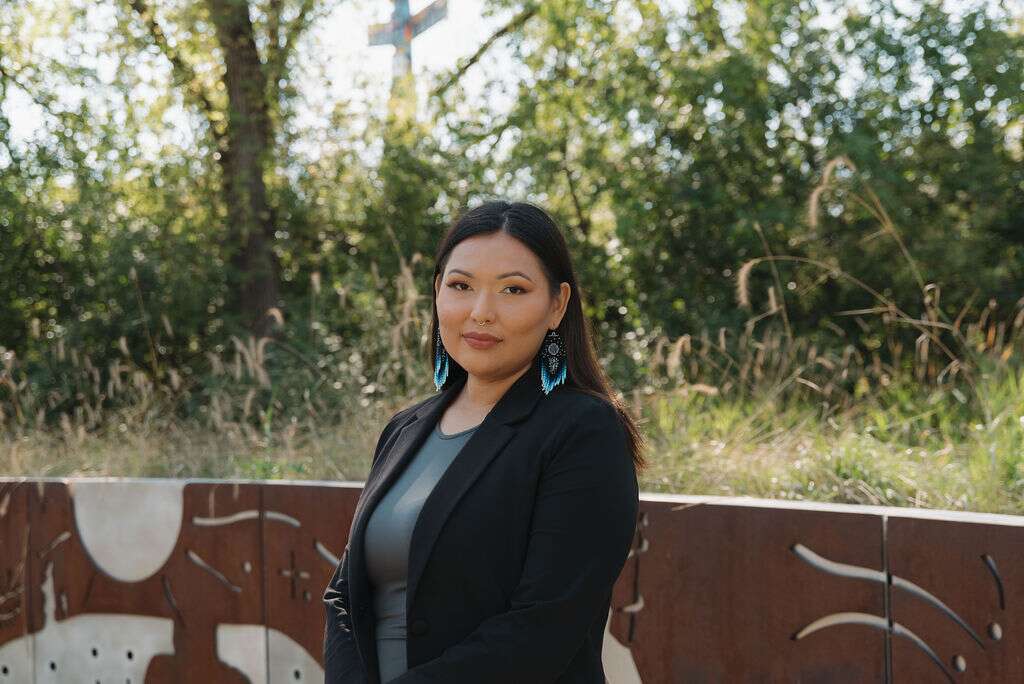
Tennile Ermineskin
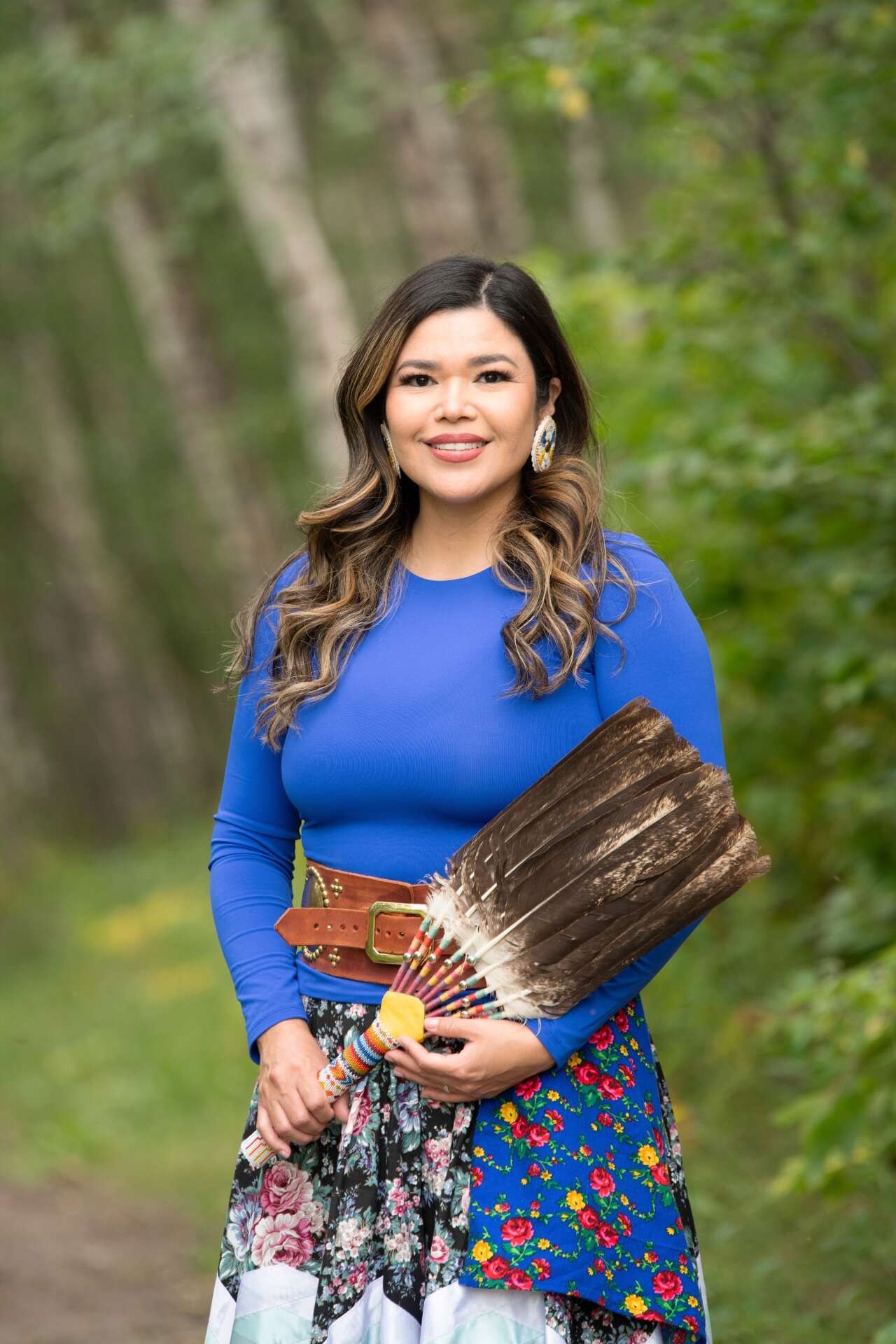 First and foremost, I give thanks to Kisemanitô (God) for the life, opportunities, and responsibilities with which I have been blessed. My name is Tennile Ermineskin, and my Cree name is Peycitahk Peysis Iskwew (Thunderbird Woman). I am a grateful member of Ermineskin Cree Nation in Treaty 6 Territory.
Genealogy is central to Cree ways of knowing and being because our identities, knowledge, and responsibilities are rooted in our family systems. My maternal grandparents were Margaret Redcrow and Robert Threefingers; my paternal grandparents were Celina Lightning and George Ermineskin; and my parents are Laurreen and Stephen Ermineskin. Naming my family acknowledges where I come from, whose teachings I carry, and the relationships I remain accountable to.
For 19 years, my husband and I have built a life together grounded in sâkihitowin (love), wîcihitowin (supporting one another), and wâhkôhtowin (relational responsibility). Our marriage is one of my greatest sources of strength and grounds us in our shared responsibilities to one another, our family, and future generations. From an early age, I was taught how to carry myself as an iskwew—a Cree woman. I learned that my words, actions, and decisions reflect upon my family, community, and the generations yet to come. I was taught to remain accountable, make the most of the life I was given, and use my gifts and education in service of others.
Before entering law school at the University of Alberta, I spent more than 13 years serving Indigenous children, youth, and families. I reconnected children involved in the child welfare system with Elders, Cree names, cultural activities, relatives, land, and community, helping restore their identity and sense of belonging. Rooted in my commitment to community well-being, this work affirmed that culture is fundamental to an Indigenous child’s identity, safety, and best interests. It also inspired me to pursue law and advocate for systemic reform that reflects community priorities.
I am deeply honoured and humbled to have been selected as the recipient of the 2026 First Peoples Law Scholarship. I accept this recognition with the sacred understanding that I do not walk this path alone. This achievement reflects the prayers, sacrifices, strength, and teachings of my family, ancestors, and community. I will carry this honour with gratitude and remain accountable to those who came before me, those I serve today, and the generations yet to come.
Photo Credit: Mark Elder, Jasper's Studio
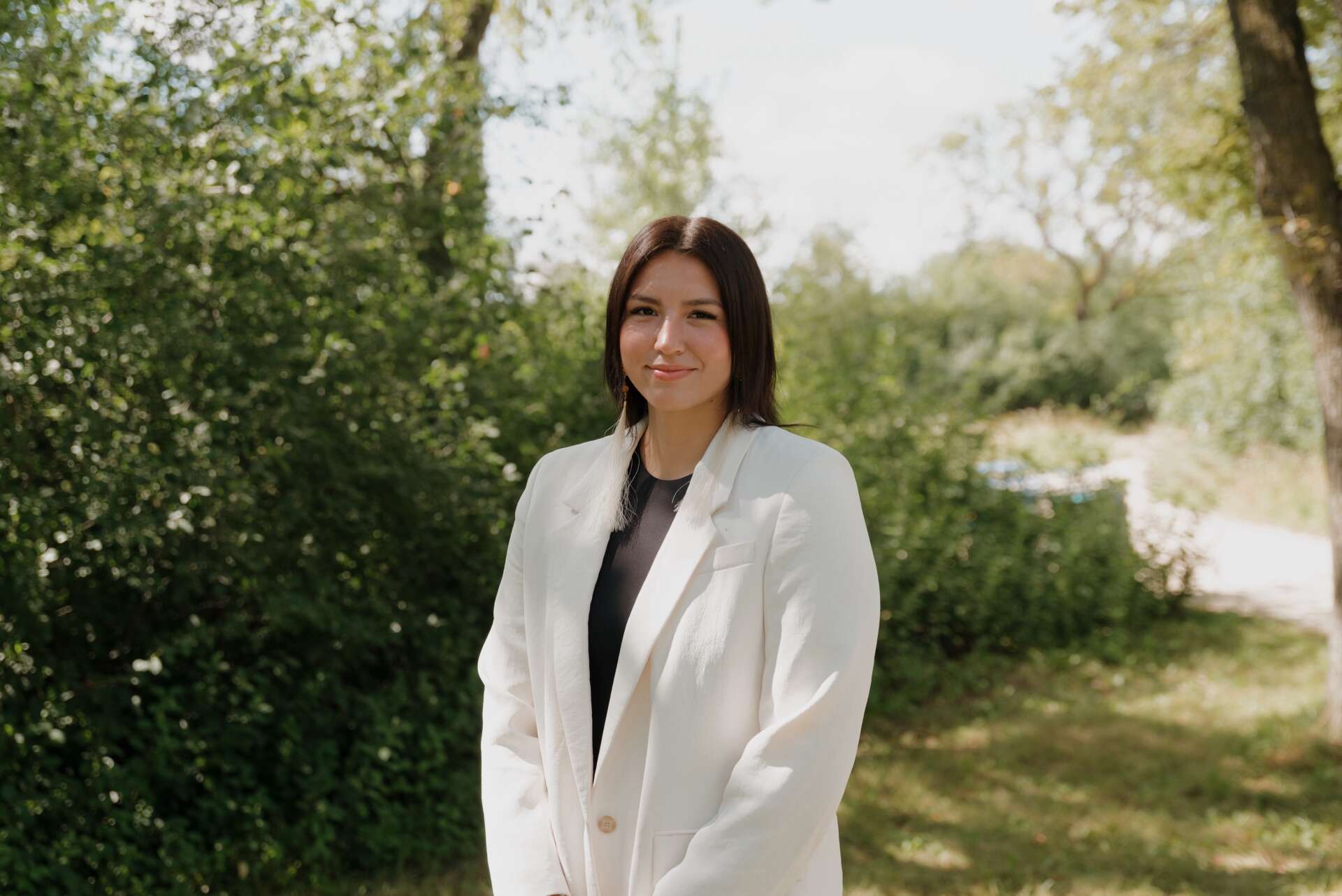
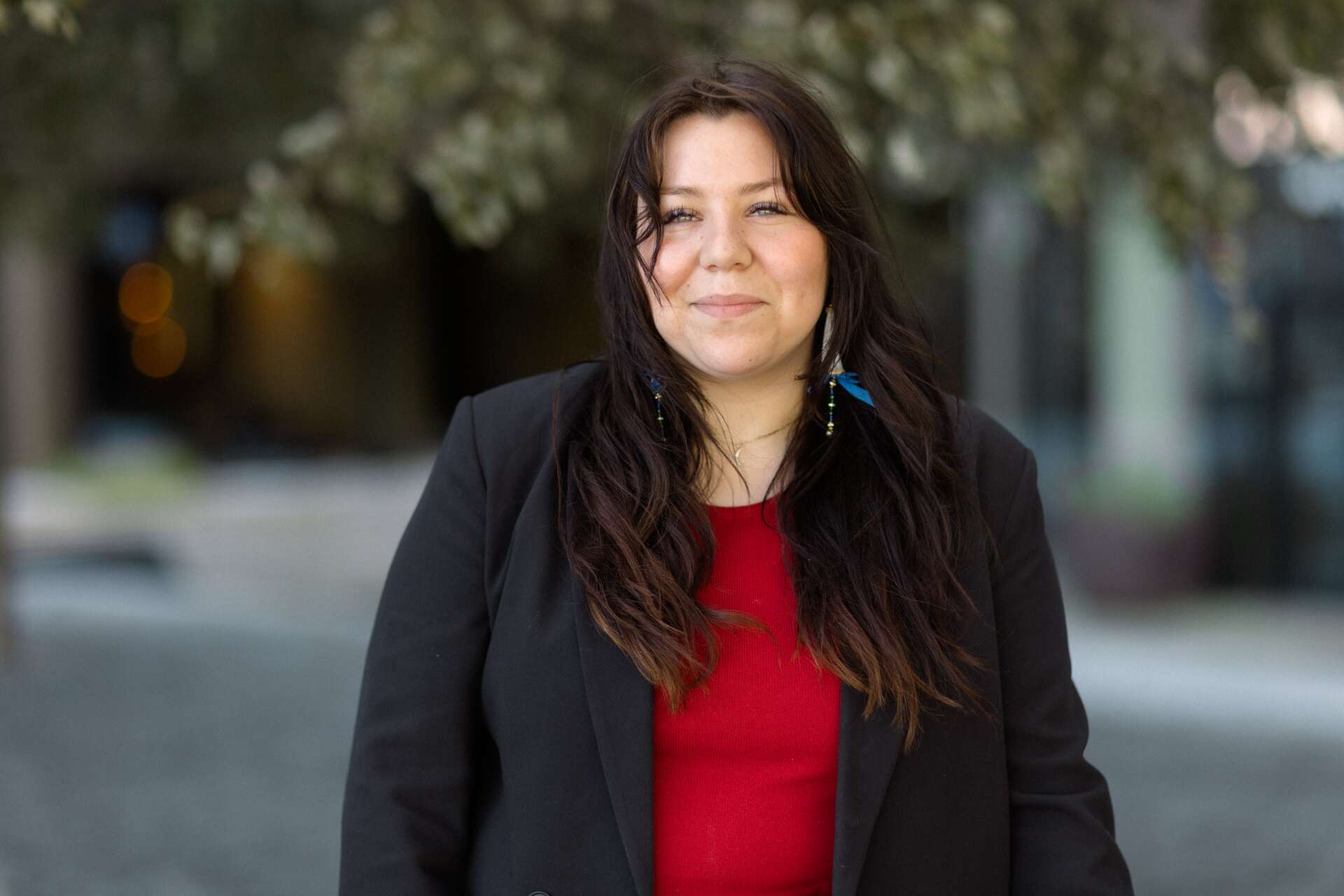
Alexis Miedema
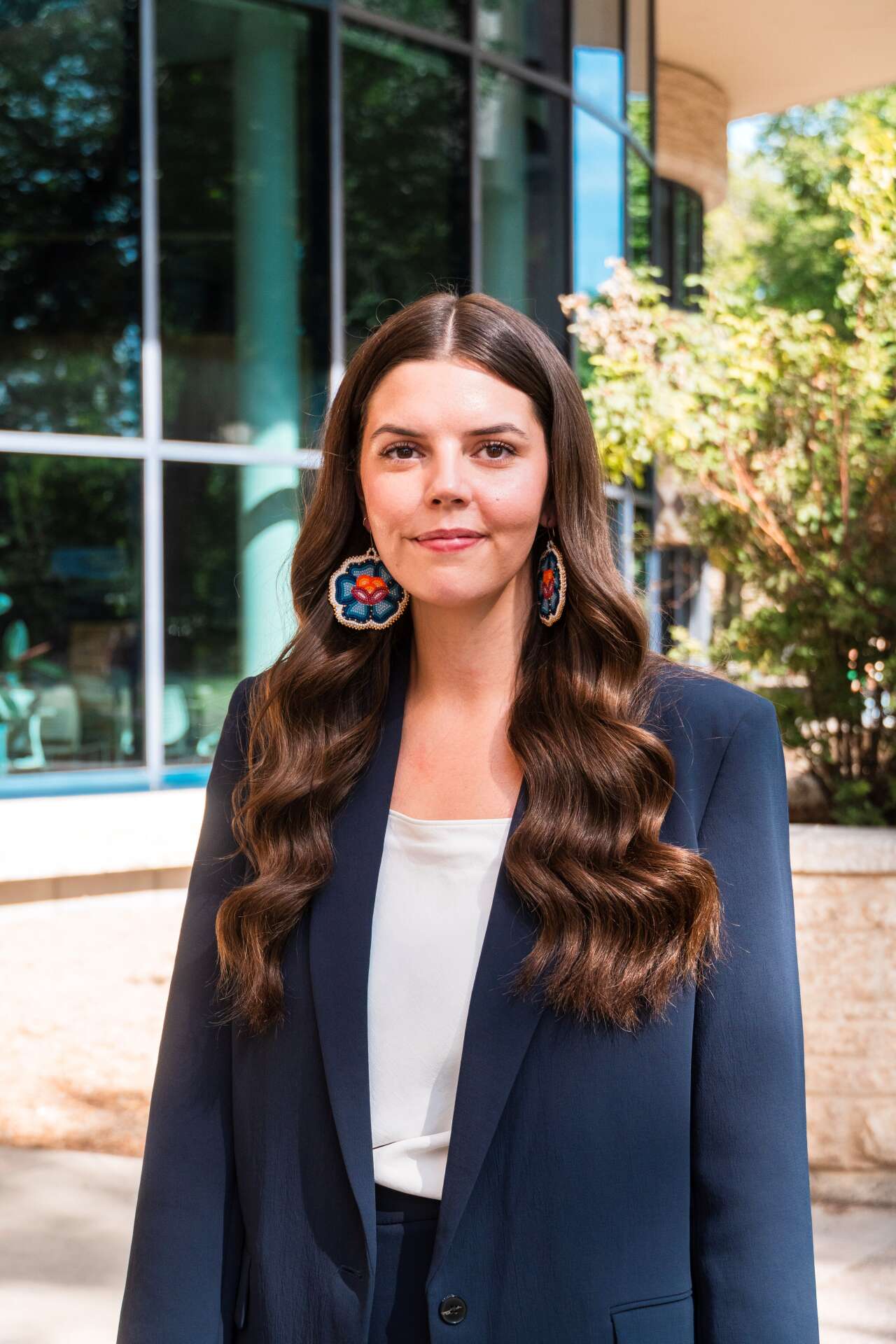 Alexis Miedema is a nêhiyaw iskwêw from Peepeekisis Cree Nation in Treaty 4 Territory. She is entering her final year of the Joint Degree Program in Canadian Common Law and Indigenous Legal Orders (JD/JID) at the University of Victoria. Alexis’ areas of focus center around the wellness of Indigenous youth and aiding Indigenous communities to legally achieve self-determination in a manner recognized by the colonial government. She aims to hold governments at all levels responsible for the promises made to Indigenous Peoples and, in doing so, giving back power to Indigenous communities. Upon graduation, Alexis looks forward to clerking with the Provincial Court of Saskatchewan.
Beyond her legal education, Alexis drafts legislation for the Peepeekisis Treaty/Justice/Governance Committee, is a member of the University of Calgary Veterinary Medicine Indigenous Advisory Committee, and instructs three courses for the University of Calgary’s "Towards Truth and Reconciliation Certificate" program. Alexis would like to acknowledge the Elders, knowledge-holders, community members, scholars, lawyers, and youth who have supported her legal journey thus far. kinanâskomitinâwâw!
Photo Credit: Ray Morning Owl (Morning Owl Media)
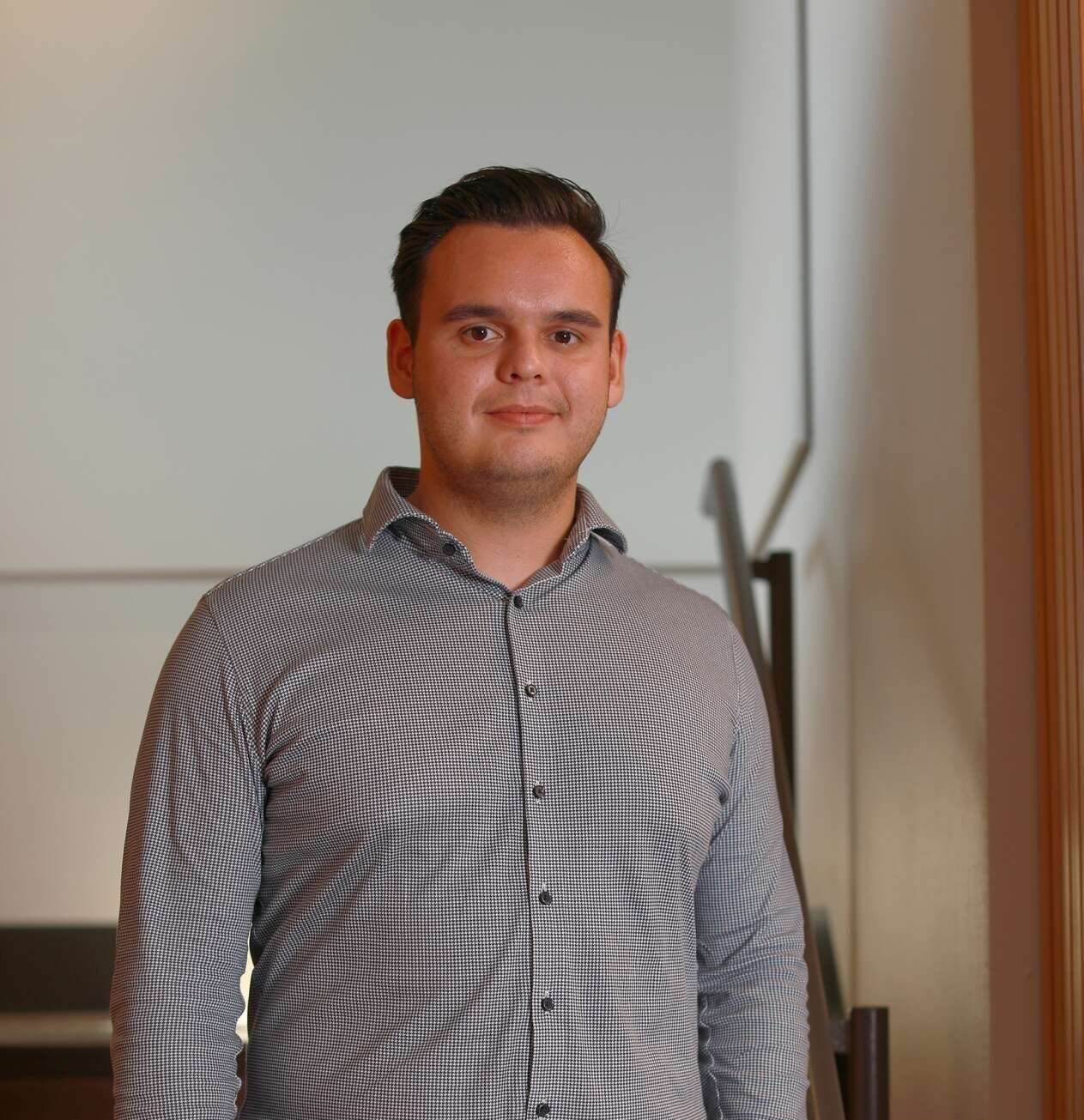
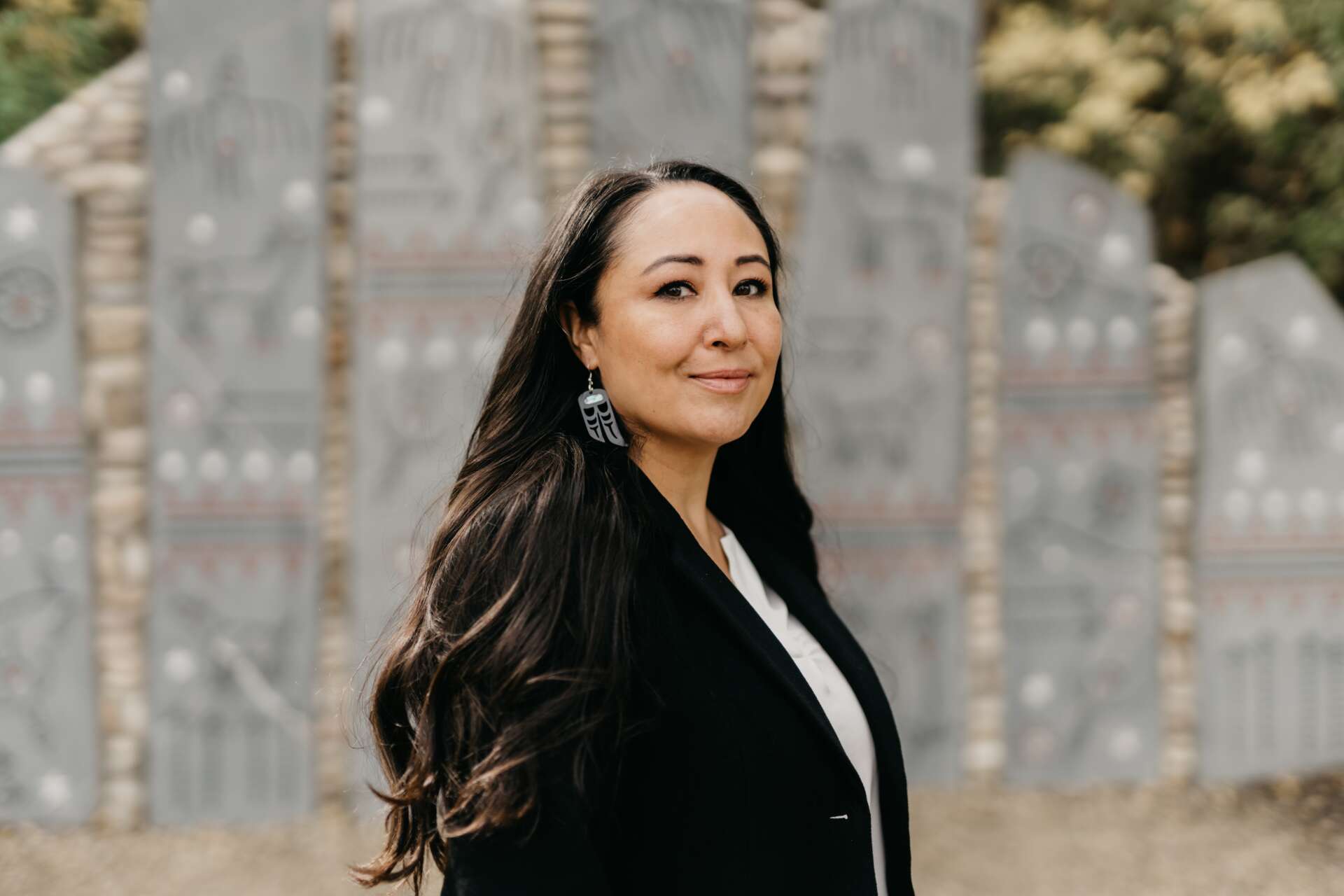
Kendall Tabobandung
Kendall "Yontonkwe’tanónhnha" Tabobandung is a Bear clan woman from the Tyendinaga Mohawk Territory and is entering her second year of law school at Queen's University. In 2025, she graduated from Wagner College in Staten Island, NY, with a degree in history while competing in NCAA Division I lacrosse. During her time at Queen's Law, she has served as Communications Coordinator for the Indigenous Law Student Association and has since been named Co-President. Additionally, she has been selected as a Co-Commissioner for the Queen's Law I-EDIAA Committee. This past summer, she worked with the Six Nations of the Grand River Justice Department through the Debwewin Summer Law Program, gaining experience in restorative justice, bail, and the intersection of Indigenous perspectives with the Canadian justice system. She looks forward to continuing to build her legal education and pursuing a career focused on Indigenous law and advocacy.